Award-winning individuals
This year, eight young scientists from Baden-Württemberg were honored for their work with awards totaling 85,000 euros. The purpose of these endowed awards is to encourage researchers during the early stages of their careers and to support their scientific work.
The awards were presented during a ceremony Academy of Sciences and Humanities the annual celebration of the Heidelberg Academy of Sciences and Humanities June 20.

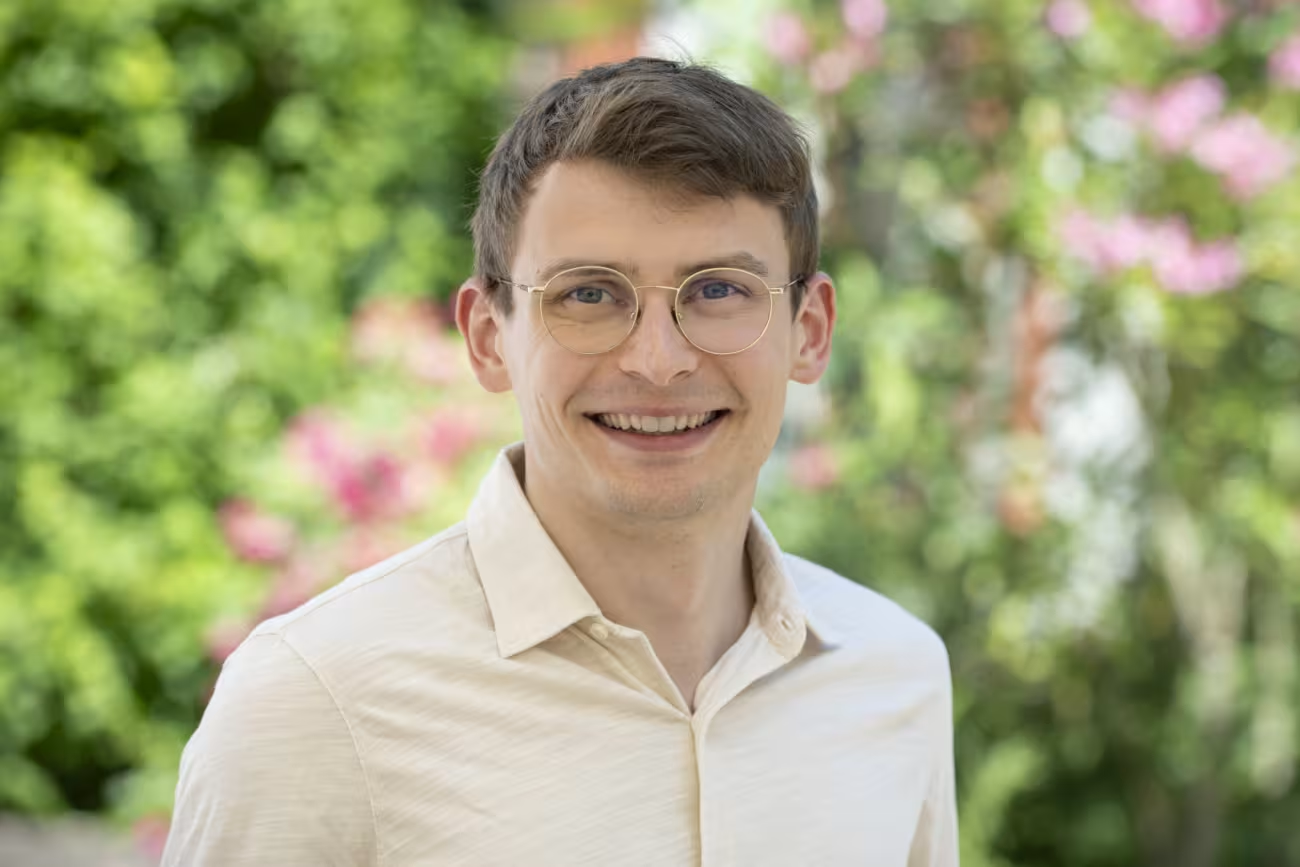
Assistant Professor Dr. Lena Barra
The Academy Prize (internal link), which was Academy of Sciences and Humanities in 1984 by the Association for the Promotion of the Heidelberg Academy of Sciences and Humanities , will be awarded in 2026 toAssistant Professor Dr. Lena Barraof the University of Konstanz. The chemist is being honored for her work in the field of enzyme and natural product research.
Natural compounds have since played a central role as scaffolds for drugs. While research has traditionally focused on established classes of compounds, Dr. Barra aims to explore novel metabolic pathways beyond these systems. This opens the door to previously unknown molecular structures and functionalities, which in turn offer new perspectives for biomedical and biotechnological applications. The award-winning work focuses on non-classical terpenes. Ms. Barra was able to demonstrate that nature breaks the fundamental structural principle of this class of natural products—the so-called isoprene rule, according to which terpenes are always composed of multiples of five carbon atoms. The natural products she discovered contain an additional carbon atom in the form of a methyl group and are based on novel enzymatic mechanisms. The particular significance of the discovery lies in the fact that even the smallest structural changes—such as the insertion of a methyl group—can drastically influence a molecule’s properties, a phenomenon known as the “magic methyl effect” that has remained virtually unexplored in terpenes to date. Ms. Barra’s work not only demonstrates that nature systematically utilizes methylations in terpene skeletons but also opens up new possibilities for developing the underlying enzymes as tools to introduce methylations in a targeted manner, thereby producing new molecules with tailor-made properties for pharmaceutical and industrial applications.
Dr. Hannah Kanz
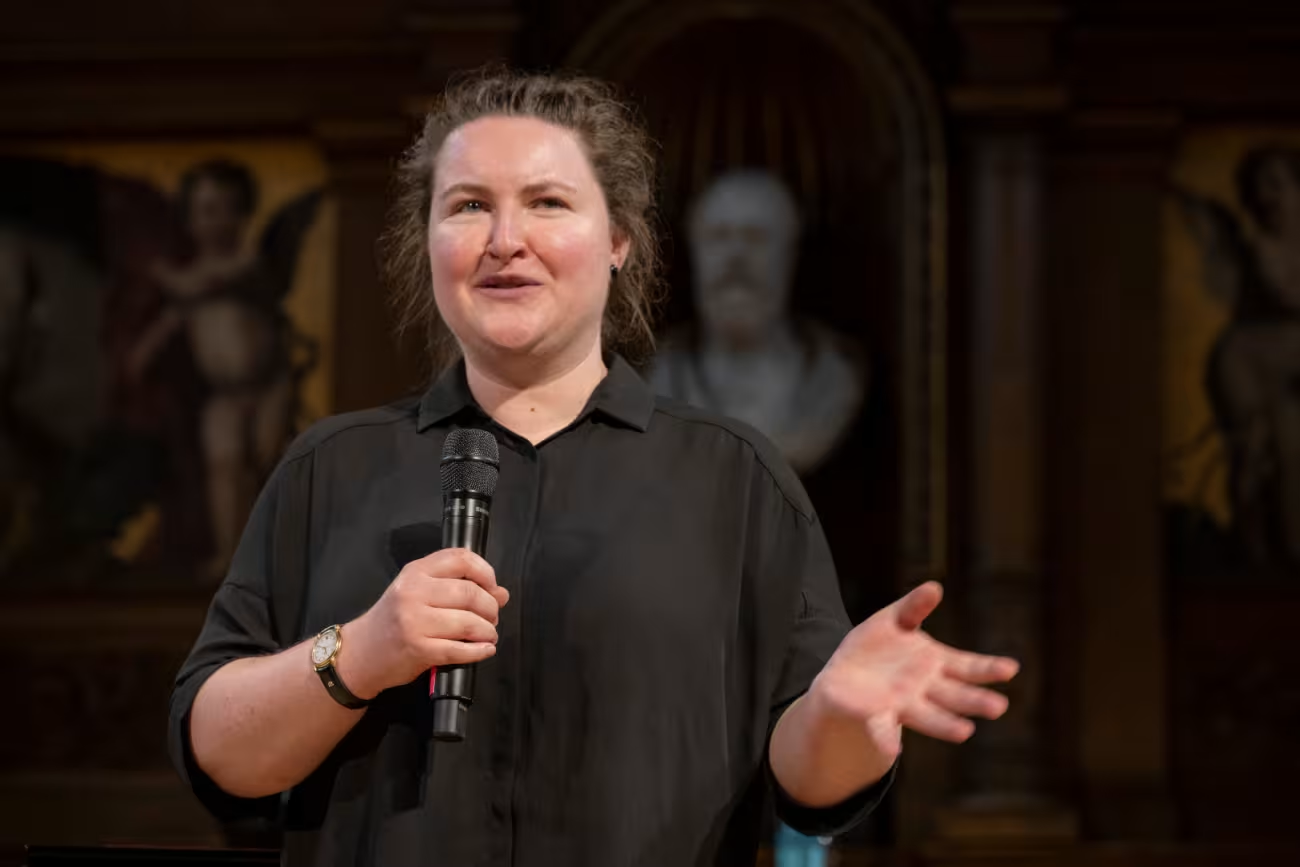
In recognition of the great importance of research in the humanities and social sciences, Witzenmann GmbH established the Walter WitzenmannPrize (internal link) in 1997 to support early-career scholars in Baden-Württemberg. The prize honors works that address major social and cultural changes and/or the possibilities and impacts of technological transformation, and—in the case of historical works—demonstrate a connection to the present.
This year, ethnologistDr. Hannah Kanz(University of Freiburg) will be awarded thePrize her dissertation “Being Offline: An Ethnography of Practices of Disconnection.” In it, the awardee analyzes new societal and individual forms of media and technology criticism and the contemporary practice of abstaining from smartphone use as a form of disconnection, tracing their cultural and social conditions. In this ethnographic study, Dr. Kanz examines sociotechnical imaginaries and practices that bring about disconnection as a qualitatively different state. To this end, she explores the construction of offline spaces, analyzes the potential of technical objects, and examines newly emerging rhythms of daily life. Ultimately, disconnection is linked to the fundamental question of how people wish to relate—to themselves and to their technical and socio-material environments.
Associate Professor Dr. Benjamin Schäfer
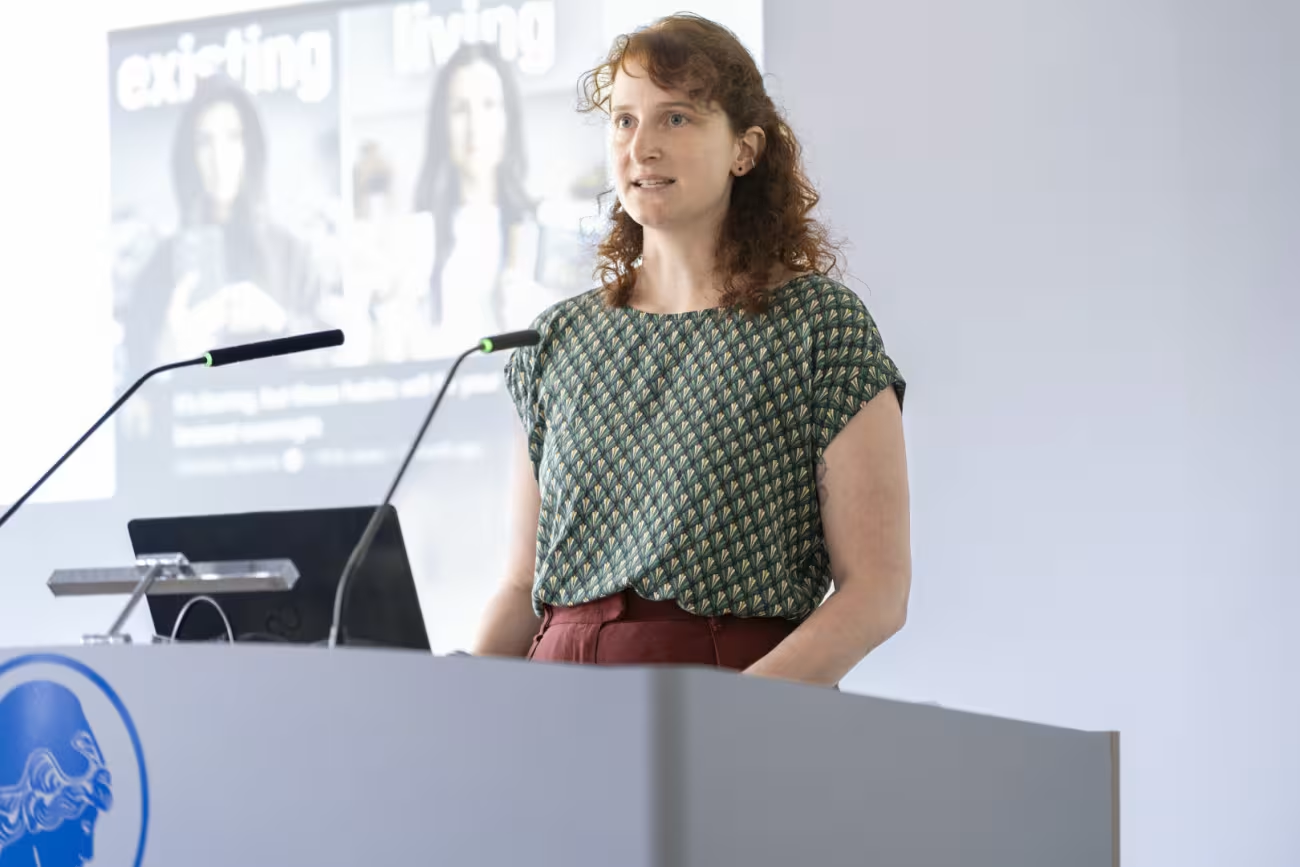
The Viktor & Sigrid Dulger Foundation Ecology Prize (internal link) is dedicated to promoting scientific research in the humanities, social sciences, natural sciences, and engineering that addresses environmental problems and their solutions.
TT-Prof. Dr. Benjamin Schäfer, this year’s Prize of the Prize , is working to increase the stability and resilience of the power grid using transparent, explainable AI methods. He combines physical modeling, machine learning, and open data to quantify fluctuations in the energy system and explain their causes. In his award-winning work, Schäfer, together with colleagues from Potsdam, Oldenburg, London (UK), Ås (NO), Dresden, and Klagenfurt, developed a data-driven load profile. This could be used in the future to better regulate the balance between supply and demand. Energy providers use consumption data to estimate the required electricity on a timescale ranging from seconds to days. These estimates are based on a standard load profile, which is partly derived from measurements taken many years ago. Modern households, however, now have novel and volatile devices (solar panels, electric cars, smart devices) that can lead to rapid fluctuations in consumption. To ensure the power system continues to operate stably and cost-effectively in the future, we therefore need flexible methods to estimate electricity consumption at high resolution. “The better we know consumption in advance, the better we can plan power generation or interim storage,” says Schäfer.
PD Dr. Christian Neumann
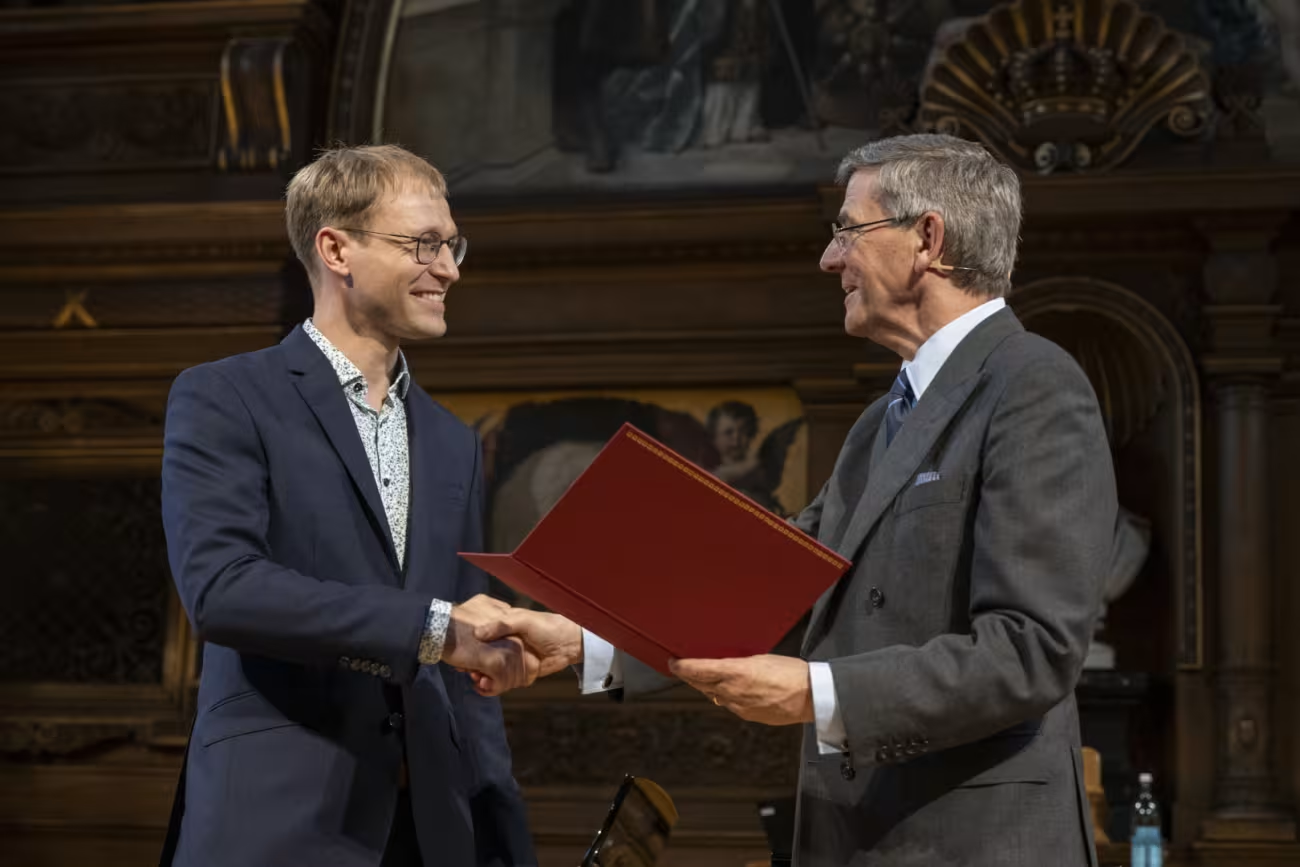
To encourage young scientists and ensure that outstanding scientific achievements receive the recognition they deserve, entrepreneur Dr. Dr. h.c. Manfred Fuchs has established a research prize to support young scientists in Baden-Württemberg.
In 2026,Privatdozent Dr. Christian A. Neumannwill be awarded the Manfred FuchsPrize (internal link) for his habilitation thesis, in which he examines the topic of age and aging among medieval rulers. Age and aging are universal and multifaceted phenomena: they constitute both a gradual biological process and a historically variable construct. Consequently, age and aging can be situated at the intersection of nature and culture. Against this backdrop, and from the perspective of medieval studies—where interest in the topic is steadily growing—it makes sense, for a deeper understanding of the phenomenon, to explore it not only through the theories and methods of the discipline itself but also through an interdisciplinary approach. To this end, it makes sense to seek an interconnection with modern gerontology, which addresses aging in fields such as biology, medicine, psychology, and sociology. The convergence of medieval studies and gerontology has given rise to the approach known as “gerontomedieval studies,” which combines these two previously separate scholarly traditions to gain new empirical insights, develop more robust theoretical frameworks, and test gerontological concepts against premodern sources. This approach is applied to the topic of age and rule in the High and Late Middle Ages. The overarching question can be formulated as the relevance of the factor “age” to human action, examined using the example of political leaders for whom particularly extensive sources are available. Discourses on age—particularly medical discourse and the question of the ideal age for ruling—as well as narrative portrayals of elderly rulers and their practical approaches to old age are examined comparatively through three case studies: Venice as a secular electoral system, the papacy as a spiritual electoral system, and England as a hereditary monarchy. The gerontomedievalist perspective can provide new impetus to these established fields of research.
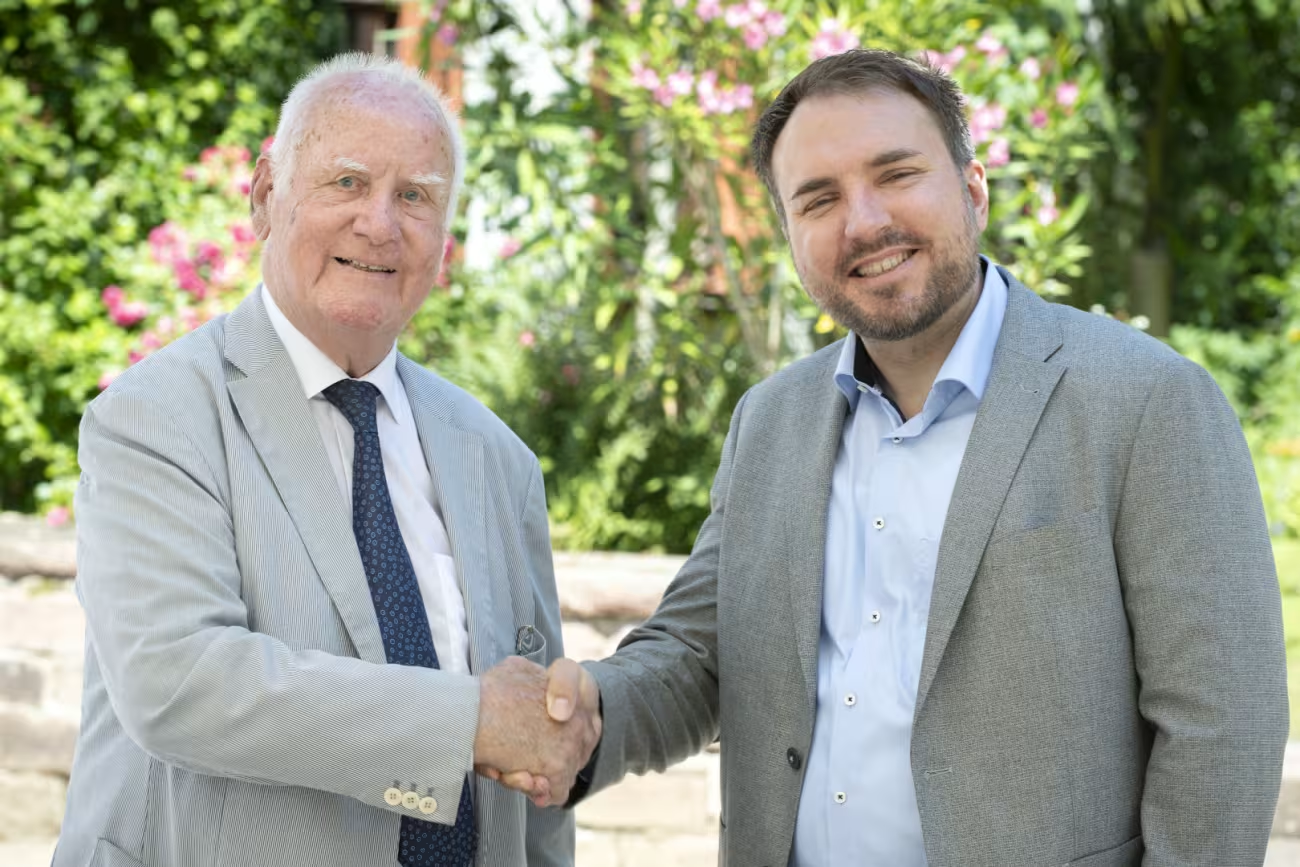
Dr. Franziska Hentzschel
In 2016, the Schmeil Foundation awarded the Otto SchmeilPrize (internal link) to support early-career scientists in biological and medical research. The Prize dedicated to the memory of biologist Otto Schmeil and is Academy of Sciences and Humanities every two years by the Heidelberg Academy of Sciences and Humanities . BiologistDr. Franziska Hentzschel’sresearch focuses on how to prevent the reproduction of the malaria pathogen. She is nowPrize with thePrize for her groundbreaking work.
Malaria is caused by single-celled parasites of the genus Plasmodium, which are transmitted to humans by the Anopheles mosquito. To spread further, the parasites must multiply in the mosquito’s gut and form both male and female gametes. The development of the male gametes is particularly striking: within about 15 minutes, the parasite triples its genetic material and distributes it among eight motile, sperm-like cells. The mechanism behind this precise distribution had previously been unclear.
The study identified a previously overlooked protein complex that plays a crucial role in this process: an unusual variant of the actin-related protein 2/3 (Arp2/3) complex. While this complex organizes branched actin networks in the cytoplasm of other eukaryotes, it was long thought to be absent in malaria parasites. However, we were able to show that Plasmodium possesses a highly modified, specialized form that is active during the formation of male gametes.
The starting point was the protein ARPC1, the supposedly only known Arp2/3 subunit in the parasite. If ARPC1 is inactivated, the parasites die inside the mosquito because the genetic material is distributed incorrectly during the formation of male gametes. Although these gametes can still fertilize an egg, development is later halted, preventing further transmission.
Further analyses showed that ARPC1 is part of a novel, Plasmodium-specific Arp2/3 complex consisting of only five subunits. This complex does not function in the cytoplasm but rather in the cell nucleus, where it interacts with the mitotic spindle and the kinetochores, promotes actin polymerization, and thus ensures the correct distribution of genetic material.
The results show that this complex plays a key role in the pathogen’s replication and offers a promising target for new strategies to interrupt malaria transmission.
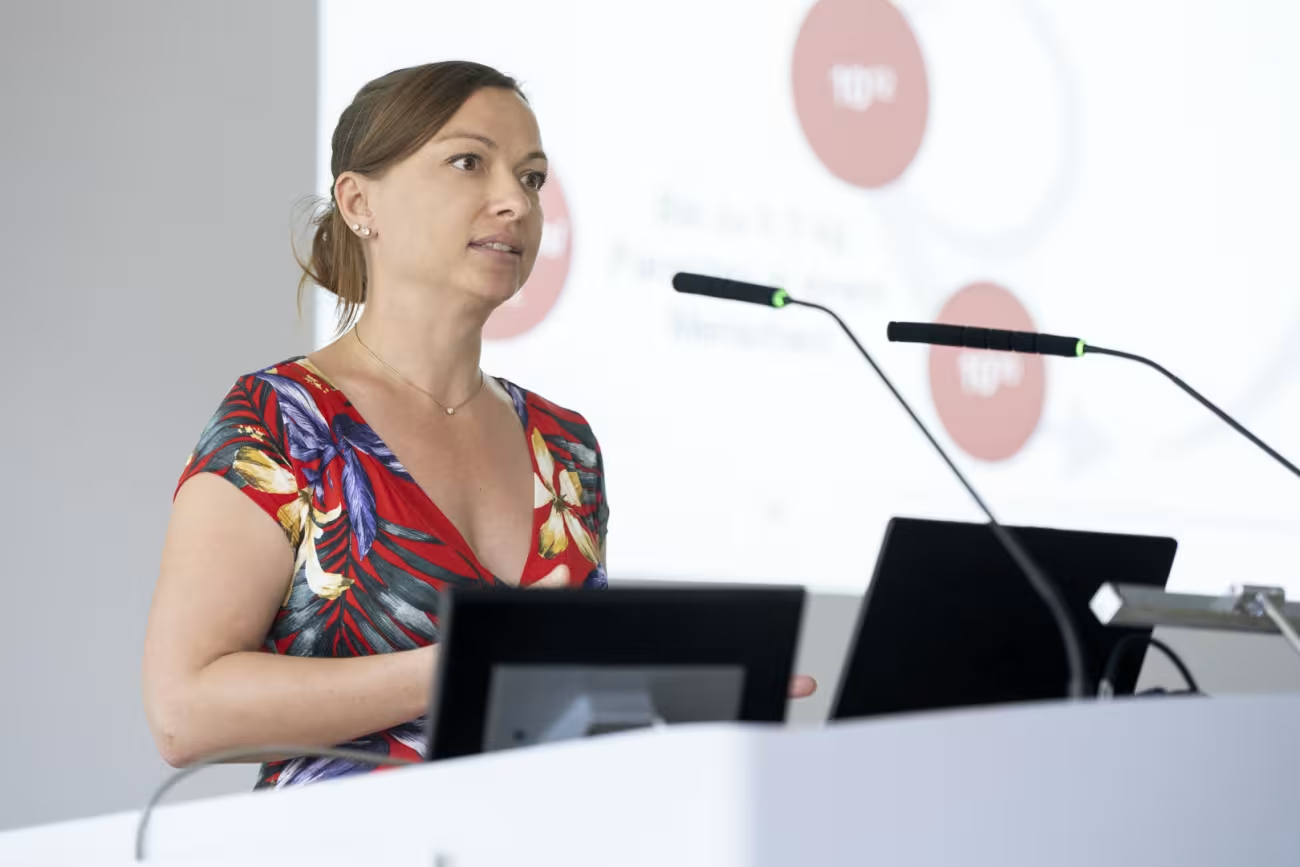
Dr. Joey Rauschenberger
Prize , made possible by Manfred Lautenschläger through his foundation, specifically Prize the humanities and cultural studies, which he views as disciplines that provide guidance for our present, with a focus on history, society, and culture. It is intended to serve as both a “recognition” and a “driving force” for young researchers.
This year, historianDr. Joey Rauschenberger willbe awarded the Manfred LautenschlägerPrize (internal link) for his dissertation on reparations for Sinti and Roma who suffered Nazi injustices in Baden-Württemberg.
During World War II, the Nazi rulers sought to exterminate Sinti and Roma throughout Europe. Joey Rauschenberger subjects the notion—which is also prevalent in academic research—that survivors of this genocide were denied reparations after 1945 to a thorough empirical examination. For the first time, he conducts a comprehensive study, using Baden-Württemberg as a case study, of how Sinti and Roma were compensated in the Federal Republic of Germany. This reveals a far more nuanced picture than previously understood. The vast majority of Sinti and Roma who applied received payments that were often quite substantial. Rauschenberger situates the proceedings within their administrative contexts and sketches an exemplary microhistory of the compensation administration in southwestern Germany. It reveals the complex web of human interaction between case workers, applicants, lawyers, and other actors that turned the compensation process into a “contact zone.” Everyday encounters, expectations shaped by experience, deep-seated prejudices, and spontaneous actions influenced the practice and perception of reparations. The resulting disappointments often overshadowed and undermined the material compensation provided.
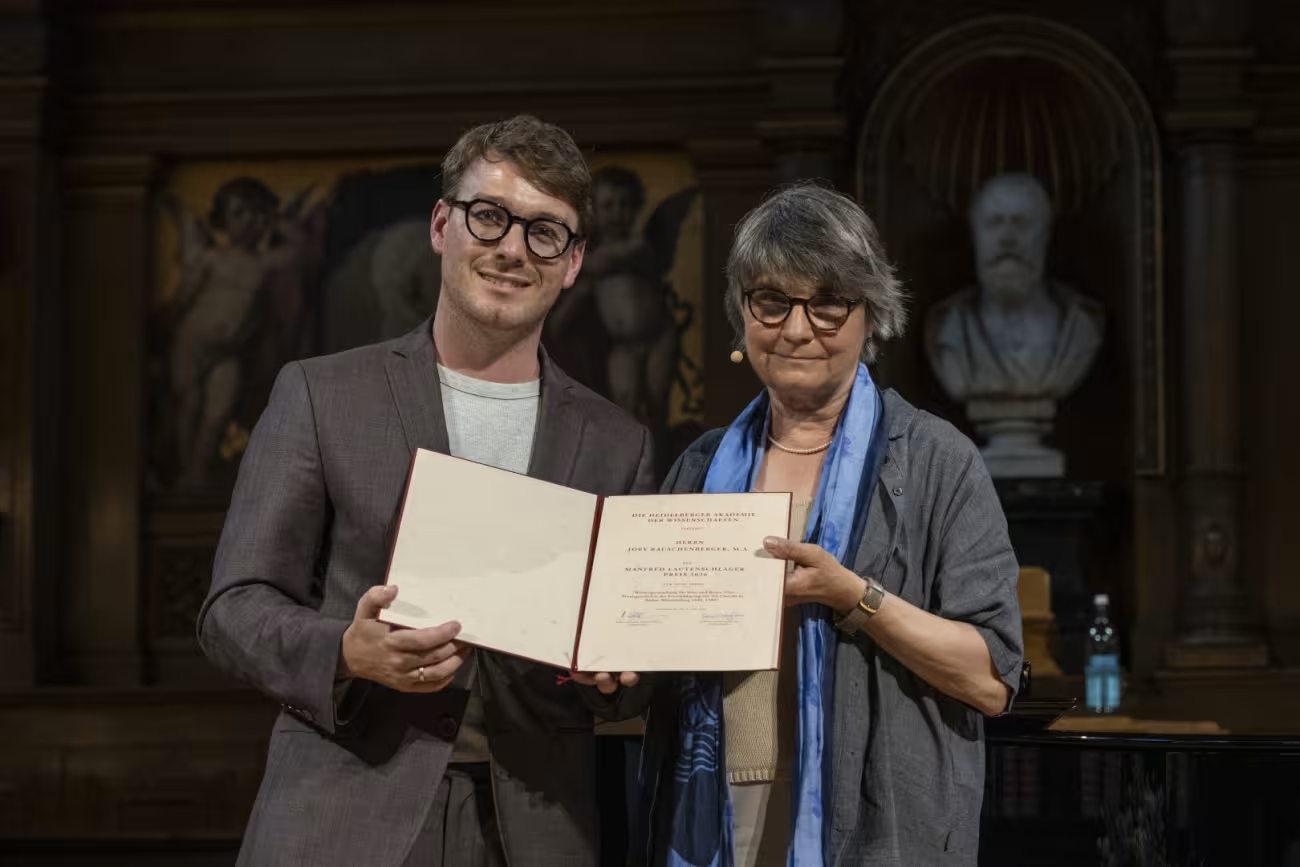
Dr. Maximilian Dax
The HectorPrize (internal link) is aimed at young researchers in computer science and recognizes their outstanding scientific achievements. This year,Dr. Maximilian Daxis receiving the award for his work in gravitational-wave astronomy. He uses machine learning to analyze data from merging neutron stars more quickly and to determine their physical properties more efficiently.
Merging neutron stars emit two types of signals: gravitational waves and electromagnetic radiation. Observing this light offers enormous scientific potential for studying associated phenomena such as a kilonova, but requires that telescopes be pointed in the right direction at the right time. Since gravitational-wave detectors cover the entire sky, they are best suited for localization—provided the data analysis is fast enough. Conventional methods often take half an hour, which is too slow to observe the processes that begin immediately after the merger. In their latest paper, the physicist and his team present a machine learning method that analyzes a measured gravitational wave and, based on that, can estimate the position of the neutron stars as well as other important properties in just one second. This acceleration could make it possible in the future to point telescopes almost simultaneously with the merger, thereby advancing research into these extreme astrophysical events.
The method, called DINGO-BNS (Deep Inference for Gravitational-wave Observations from Binary Neutron Stars), is based on deep neural networks that are trained using billions of simulated gravitational waves and thereby learn to extract relevant information from measurements. A key component is a newly developed technique that uses physical relationships to compress gravitational-wave measurements. This is what makes efficient analysis possible, as the raw data is too high-dimensional and complex for neural networks.